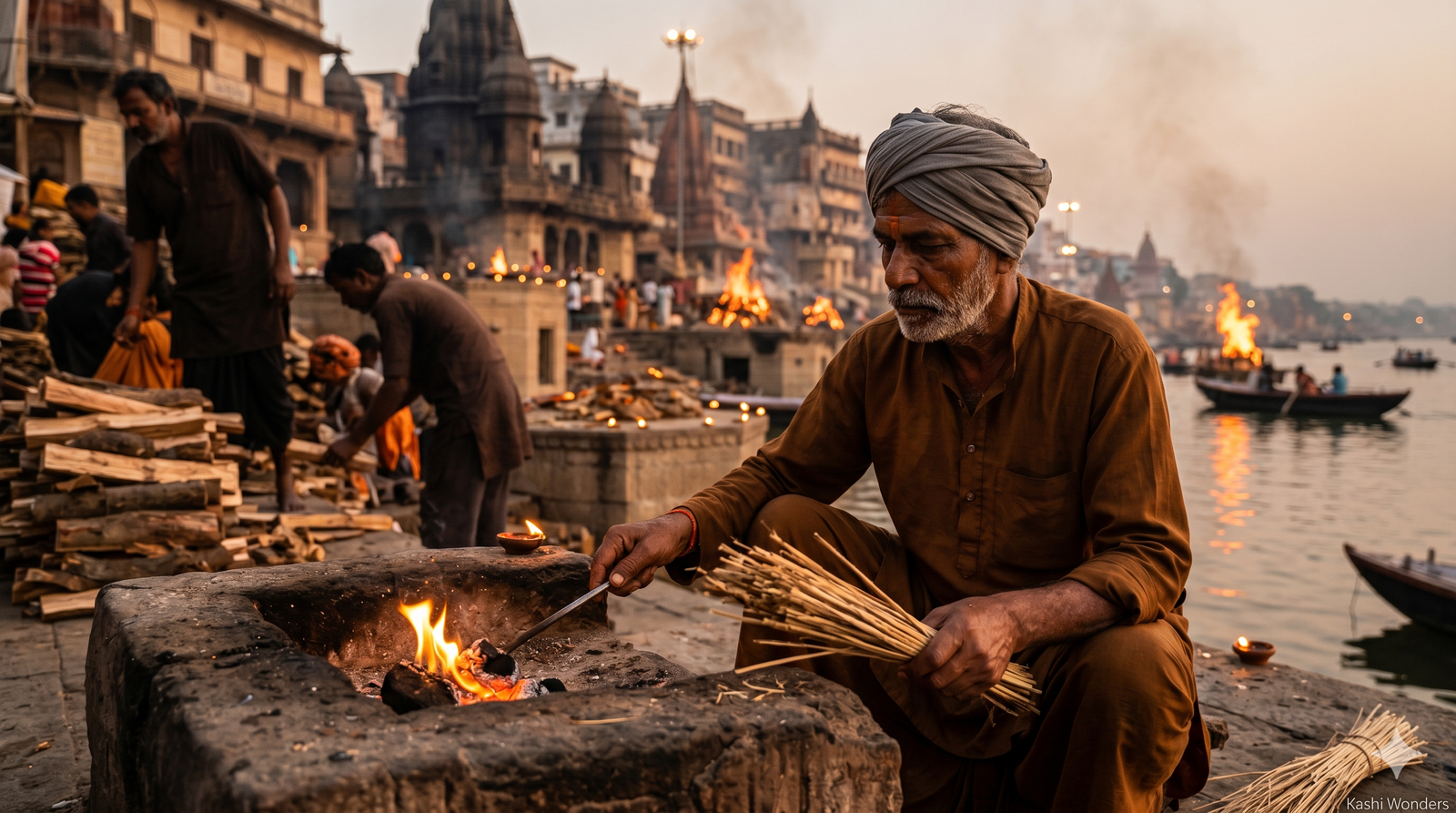
The Shri Kashi Vishwanath Corridor (Kashi Vishwanath Dham) connects the sacred Jyotirlinga directly to the banks of the holy Ganges across 500,000 square feet of paved Chunar sandstone. Entry is free for general Jhanki Darshan (queue wait: 1.5–4 hours), while official fast-track Sugam Darshan costs ₹300 per person (₹500 on Mondays/festivals) booked exclusively through the temple trust. The fastest, most scenic access is via the Ganga Dwar at Lalita Ghat (Gate 5) by boat, avoiding the gridlocked Godowlia No-Vehicle Zone.
1. Navigating the 4 Gates of Kashi Vishwanath Dham
Before the grand ₹800-crore corridor expansion, entering the temple meant elbowing through suffocating, narrow galis smelling of wet clay and incense. Today, the complex is sprawling, wheelchair-accessible, and divided into distinct entry portals. Choosing the wrong gate can easily cost you up to two hours of unnecessary line shifts.

Gate 4 (Gyanvapi / Maidagin Side): The Primary City Gate
This is the widest and best-equipped land entrance. If you are arriving by taxi or e-rickshaw from the Cantonment Railway Station, ask the driver to drop you at Maidagin Crossing (not Godowlia). From Maidagin, walk 400 meters south along the pedestrian-friendly corridor road directly to Gate 4.
This gate houses the central Shri Kashi Vishwanath Helpdesk, where on-spot Sugam Darshan tokens can be purchased, and provides the largest official locker cloakroom. Security frisking by the Central Reserve Police Force (CRPF) and local police is rigorous here.
Gate 5 (Ganga Dwar / Lalita Ghat): The Riverfront Highway
The undisputed insider favourite. Instead of battling horn-blaring alleys, hire an early-morning wooden rowing boat from Assi Ghat or Dashashwamedh Ghat directly to Lalita Ghat.
Step off the boat, walk straight past the Nepali Wooden Temple onto the pink sandstone plaza, and enter via the monumental ceremonial gateway (Ganga Dwar). It features modern escalators, gentle ramps for senior citizens, clean public restrooms, and luggage lockers right by the water.
Gate 1 (Dhundhiraj Gali) & Gate 2 (Saraswati Phatak): The Heritage Alleys
Both gates emerge from the historic, winding bazaar starting at Godowlia Chowk. Gate 2 (Saraswati Phatak) passes through traditional flower and sweet shops selling crushed sugar Batasha and milk Peda.
These gates are atmospheric, but queues bottleneck during peak hours. Avoid them if traveling with elderly relatives or small children.
2. Darshan Types, Timings, and Official Pricing (2026 Benchmarks)
Understanding the distinction between viewing the Jyotirlinga from afar and touching the Shivalinga is critical before planning your visit.
- Jhanki Darshan (Glimpse Only): Free of cost. Devotees stand behind the silver-and-brass railings encircling the sanctum sanctorum (Garbhagriha) to offer prayers and view the deity.
- Sparsh Darshan (Sanctum Touch): Devotees are permitted inside the sanctum to touch the sacred Jyotirlinga with their bare hands, pouring holy Ganga Jal and offering Belpatra. In 2026, Sparsh Darshan is strictly regulated: it is permitted only during specific morning and afternoon non-rush windows, and is entirely suspended on Mondays, Shravan Maas, Shivratri, and major festivals.

| Darshan / Ritual Mode | Official Fee (INR) | Timings / Access Window | Average Wait | Best Suited For |
|---|---|---|---|---|
| General Free Darshan | ₹0 | 04:00 AM – 11:00 AM 12:30 PM – 07:00 PM 08:30 PM – 11:00 PM |
90–240 mins | Budget backpackers, patient ascetic pilgrims |
| Sugam Darshan (Fast-Track) | ₹300 (Mon ₹500) | All open hours (Online or Gate 4 counter) | 25–45 mins | Senior citizens, families, short-stay visitors |
| Mangala Aarti | ₹500 – ₹1,000 | 03:00 AM – 04:15 AM (Report by 02:30 AM) | Direct Entry | Deep spiritual seekers wanting sanctum presence |
| Madhyahna Bhog Aarti | ₹300 | 11:15 AM – 12:20 PM | Direct Entry | Midday ritual devotees |
| Sapta Rishi Aarti | ₹300 | 07:00 PM – 08:15 PM | Direct Entry | Connoisseurs of ancient Vedic chanting |
| Rudrabhishek (1 Shastri) | ₹450 – ₹2,100 | Scheduled morning slots (04:30 AM or 08:00 AM) | Scheduled slot | Devotees performing dedicated Vedic sankalp |
shrikashivishwanath.org). Do not rely on spot counter tickets during peak autumn and winter pilgrimage months.
3. Strict Security Rules & Locker Realities
Security at Kashi Vishwanath is handled by paramilitary forces and is among the strictest of any shrine in India. Traveling light is not just a suggestion; it is essential to avoid being turned back.
Strictly Prohibited Items
Leave the following items at your hotel. If discovered at the frisking booth, you will be sent out of the queue:
- All Electronics: Mobile phones, smartwatches, AirPods, Bluetooth headsets, pen drives, digital cameras, and power banks.
- Leather Products: Leather belts, large wallets, and leather-soled shoes (wear drawstring trousers or a pyjama to avoid belt checks entirely).
- Baggage & Accessories: Backpacks, large handbags, metal pens, pocketknives, scissors, lighters, and cigarettes/tobacco pouches.
Allowed Items Inside
Devotees are permitted to carry cash notes, physical government photo ID (original Aadhaar or Passport for Sugam Darshan entry), eyeglasses, and temple offerings in cane or biodegradable leaf baskets (Duna).
Milk and holy Ganga Jal must be carried in copper, brass, or stainless steel vessels (Lota). Plastic bottles and polythene bags are strictly confiscated at the security barriers to maintain the river eco-corridor.
Locker Cloakroom Logistics
Official lockers are available at Gate 4 and the Lalita Ghat complex. They are free, managed with a computerized barcode slip or manual token. Keep your token secure; losing it requires identity verification and waiting until the end of the day when lockers are cleared.
Local flower sellers outside Gate 2 will routinely offer: "Sir, leave your shoes and phone in my shop locker for free, just purchase your flowers from me." Politely decline. These flower baskets are frequently marked up 500% (charging ₹250 for ₹30 worth of marigolds), and disputes over returned belongings are frequent.
4. Dress Code & Shastric Ritual Etiquette
While modest western casuals (jeans, t-shirts, sneakers) are permitted for standard Jhanki Darshan from behind the outer brass barricades, entering the inner sanctum for Sparsh Darshan or Rudrabhishek Puja requires strict traditional attire:
- For Men: Must wear an unstitched Dhoti paired with a Kurta or an Angavastram (upper cloth / Gamcha). Western trousers, jeans, Bermuda shorts, and leather belts are strictly prohibited inside the sanctum.
- For Women: Must wear a traditional Saree or a formal Salwar Kameez with a modest dupatta. Western dress, sleeveless tops, and short skirts are barred from sanctum entry.

The Unbroken Shastric Sequence (According to Kashi Khanda)
According to the Skanda Purana, a pilgrimage to Kashi remains incomplete if you visit only the Golden Temple:
- Ganga Snan & Jal Sankalp: Take a sacred dip or wash your hands and feet at Lalita Ghat or Dashashwamedh Ghat. Fill your brass lota with living river water.
- Kashi Vishwanath Abhishekam: Offer holy Ganga Jal, three-leaf Bilva Patra (placed smooth side facing down on the Linga), chandan, and white flowers to Lord Shiva.
- Maa Annapurna Darshan: Walk 50 meters past Gate 1 to the historic temple of Maa Annapurna, the goddess of nourishment who fed Shiva when he roamed the cosmos as a mendicant. Tradition dictates asking the Mother for lifelong food security and abundance for your family.
- Baba Kal Bhairav ("The Kotwal of Kashi"): Take an e-rickshaw to Visheshwarganj to seek the blessings of Kal Bhairav. As the divine magistrate of the city, tradition holds that no one can enter or leave Kashi without his divine permission. Tie the sacred black protection thread (Ganda) around your wrist here.
5. Local Street-Smart Checklist & Scam Advisory
The atmosphere of Banaras is celebrated for Mauj (carefree joy) and Masti, but the busy lanes surrounding the temple attract brokers looking to exploit uninitiated pilgrims.
- 1. The "VIP Darshan Instant Entry" Street Scalper Trap: Men lingering around Godowlia Crossing wearing tilaks will promise immediate sanctum access for ₹1,500 to ₹2,500. There is no back door. Only purchase official Sugam Darshan tokens at Gate 4 or online at
shrikashivishwanath.org. - 2. The Rickshaw-to-Silk Commission Hustle: Drivers often claim the temple is closed for cleaning until 4:00 PM and offer to drive you to an "authentic government weaver colony." The temple does not close midday for public entry; the driver earns a 30% to 40% kickback from retail shops selling synthetic polyester marked up as pure GI-tag Banarasi silk.
- 3. The Manikarnika "Wood Donation" Extortion: Because the corridor connects to Manikarnika Ghat, smooth-talking locals offer panoramic views of the burning pyres from private rooftops. Once inside, aggressive groups demand ₹2,000 to ₹10,000 as a "charity donation for wood." Legitimate cremation charities never solicit money through rooftop touts.
- 4. Government Boat Tariff Benchmarks: Independent boatmen at Dashashwamedh often demand ₹2,000 for a 10-minute motorboat run to Lalita Ghat. A traditional shared wooden boat should cost ₹100 to ₹200 per person, while a private hand-rowed wooden boat (Naav) for a family should cost between ₹800 and ₹1,200 round trip.
6. How to Reach & Traffic Restriction Hacks
Varanasi’s historic center has strict traffic schedules designed to manage footfall:
- The Godowlia No-Vehicle Zone (09:00 AM to 09:00 PM): The road connecting Girjaghar Crossing to Godowlia Chowk and Dashashwamedh Ghat is closed to four-wheelers, autos, and e-rickshaws during daytime hours. Taxis will drop you at Girjaghar, requiring a 12-minute walk or a cycle-rickshaw ride.
- The Smart Maidagin Approach: For closer vehicle access, direct your taxi or e-rickshaw via Town Hall / Maidagin Chowk. You can drive straight to the Maidagin Post Office, leaving only a gentle 5-minute walk down the paved pedestrian avenue to Gate 4.
- The Scenic Sunrise River Route: Board a sunrise boat from Assi Ghat at 05:30 AM. Float past the awakening ghats, disembark smoothly at Lalita Ghat, and ascend the escalators directly into the corridor before street traffic builds up.
Plan Your Sacred Kashi Journey with Local Insiders
Navigating Varanasi’s heritage should be a deeply meaningful experience, free from logistical hassle.
- Need Temple Guidance? Browse our verified Temple & Darshan Guides for real-time crowd updates and priest assistance.
- Prefer the River Approach? Reserve verified, government-rate boat slots with our Ghat Experiences & Boat Booking.
- Hungry After Darshan? Discover authentic Kachori-Jalebi and winter Malaiyo on our Curated Walking Tours & Food Trails.
- Planning Your Stay? Explore verified heritage havelis in our Practical Itineraries & Where to Stay Guide.
Have Questions About Your Upcoming Darshan?
Connect directly with a verified local Varanasi chronicler for real-time queue status, priest bookings, and accessibility support.
Ask a Local Expert via WhatsAppFrequently Asked Questions (Position Zero FAQ)
What is the best time to visit Kashi Vishwanath Temple to avoid long lines?
The lowest wait times occur between 11:30 AM to 02:30 PM (midday meal interval) and 08:30 PM to 10:00 PM on Tuesday through Thursday. Peak congestion occurs on Mondays, during early morning Mangala Aarti hours, and during festivals like Shivratri and the month of Shravan.
Can I carry my mobile phone or smartwatch inside the Kashi Vishwanath Corridor?
No, all electronic items including smartphones, fitness bands, smartwatches, power banks, and wireless earphones are strictly prohibited by CRPF security. Free digital cloakrooms and token lockers are available at Gate 4 (Gyanvapi) and the Lalita Ghat river entrance.
How much does VIP Sugam Darshan cost, and where do I book it?
Official Sugam Darshan costs ₹300 per person on regular days and ₹500 on Mondays and festivals. Tickets should be booked in advance via the official shrine board portal (shrikashivishwanath.org) or purchased in person at the Gate 4 Helpdesk counter.
What is the official dress code for entering the inner sanctum (Garbhagriha)?
To touch the Shivalinga for Sparsh Darshan or perform Rudrabhishek, men must wear a traditional Dhoti-Kurta or Dhoti-Gamcha (no leather belts), and women must wear a Saree or Salwar Kameez with Dupatta. Western casuals are permitted only for outer Jhanki Darshan from behind the barricades.
Which gate is best for senior citizens and wheelchair users?
Gate 4 (Gyanvapi/Maidagin side) and Gate 5 (Ganga Dwar at Lalita Ghat) are optimal for senior citizens and disabled travelers. Both entrances feature level ramps, battery-operated carts (at the river terminal), escalators from the ghats, and dedicated wheelchair assistance counters.