The Anchor of the Universe: Kashi Vishwanath
To understand Kashi is to understand the Jyotirlinga. The Kashi Vishwanath Temple isn't just a place of worship; it is the spiritual axis of the city. When you walk through the Vishwanath Gali, the air thick with the scent of crushed marigolds and wet earth, you are retracing the steps of millions who have sought the "Lord of the Universe."
While the newly developed Corridor has added physical space, the energy remains concentrated in the inner sanctum. Shiva here is Vishveshvara, the ruler of all, yet accessible to anyone who offers a simple leaf of Bilva.
The Fierce Protector: Kaal Bhairav
No journey into Kashi’s Shaivism is complete without visiting the "Kotwal" (Police Chief) of Varanasi: Kaal Bhairav. Local tradition dictates that before you visit Vishwanath, you must seek permission from Bhairav.
He represents the fierce aspect of Shiva—the one who manages the "Kashi Khanda" and ensures that no negative energy enters the sacred circle. You’ll notice devotees wearing black threads (Ganda) around their wrists here, a physical mark of protection from the deity who even time (Kaal) fears.
Beyond the Veil: The Path of the Aghoris
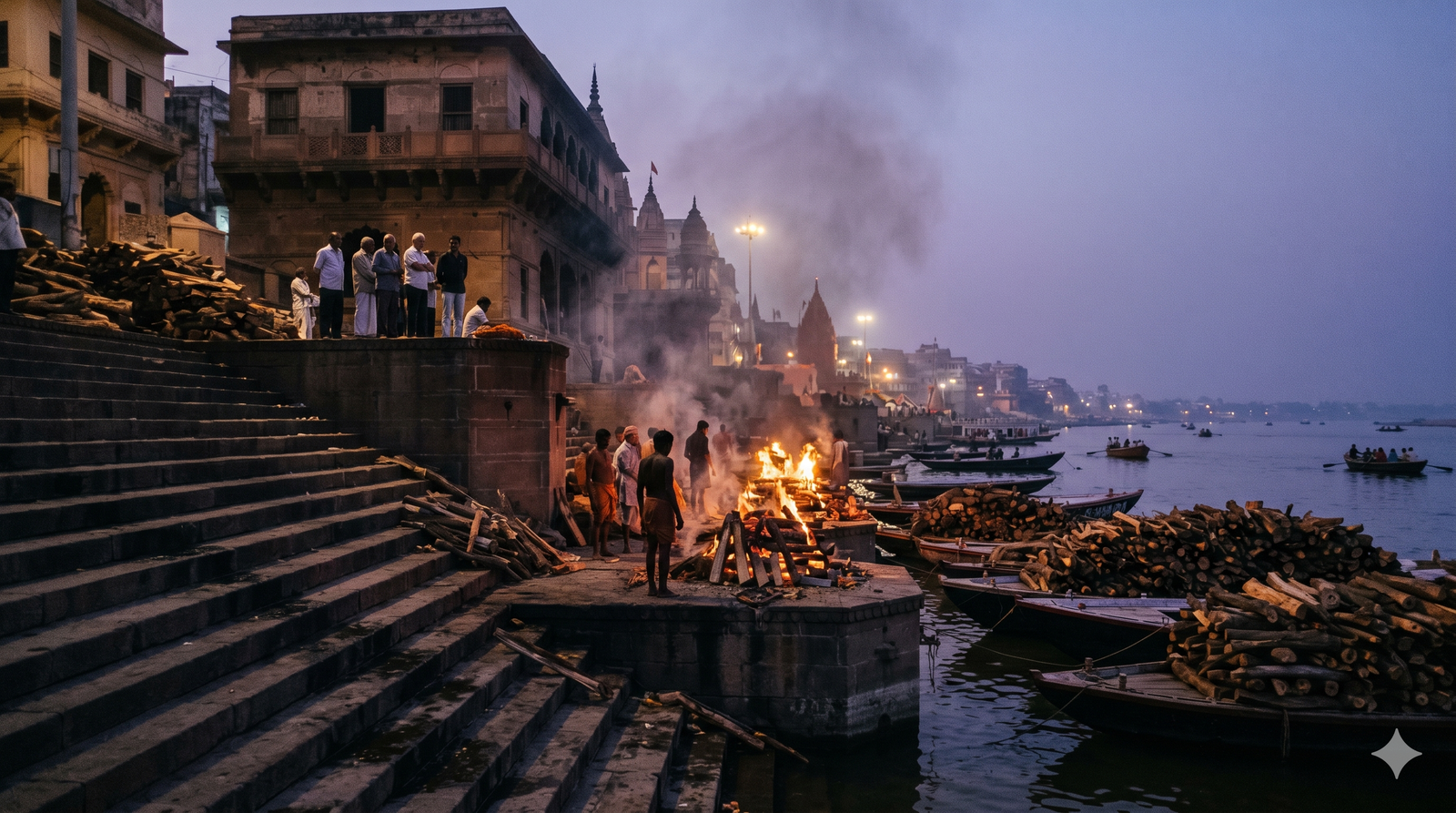
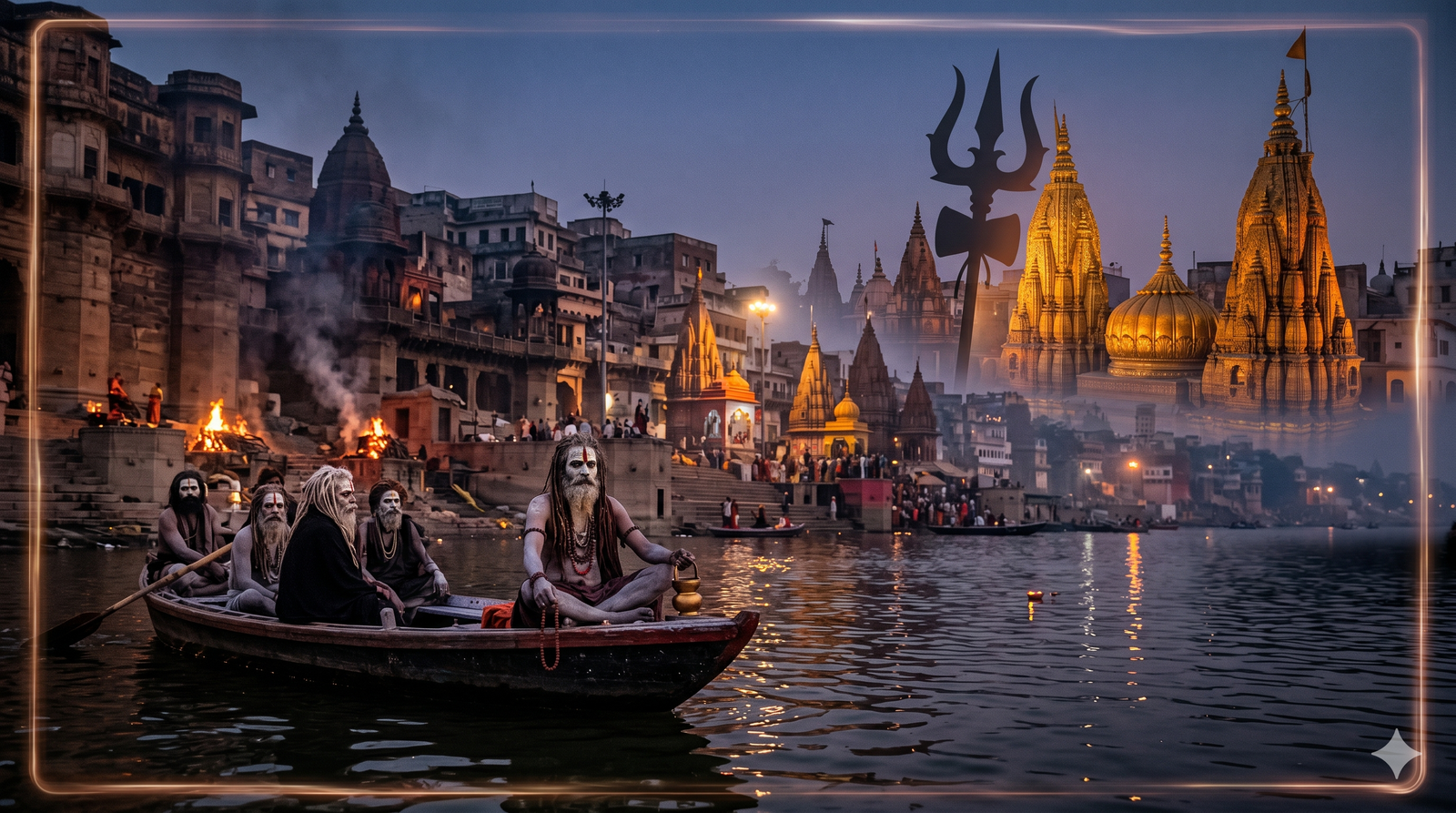
Away from the ringing bells of the main temples lies the Manikarnika and Harishchandra Ghats, the domains of the Aghoris. While popular media often sensationalizes them, the true Aghori path is one of profound Shaivite non-dualism.
They believe Shiva resides in everything—the beautiful and the "impure." By meditating in the Mahashmashana (the Great Cremation Ground), they confront the ultimate truth of mortality. For an Aghori, the smoke rising from the pyres isn't a sign of an end, but a transformation. Visiting the Baba Keenaram Sthal offers a more grounded perspective on this lineage, focusing on social service and healing rather than just the esoteric rituals.
The "Insider’s Secret" Box
The Secret of the Night: Most tourists visit the temples during the day, but the most potent Shaivite energy is felt during the Shringar Aarti (usually around 9:00 PM) at Kashi Vishwanath. As the lingam is decorated with flowers and sandalwood, the chanting reaches a meditative drone that feels like the very vibration of the stones. Also, look for the small Nandi bull near the Gyanvapi well; he isn't just a statue, he is waiting—loyal and eternal.
Practical Essentials
| Category | Details |
|---|---|
| Best Time to Visit | 4:00 AM (Mangala Aarti) or late night for peace. |
| Dress Code | Traditional Indian attire preferred; shoulders and knees must be covered. |
| Entry Fee | Free (General Entry); Paid slots available for specific Aartis. |
| Must-Carry | A valid ID (required for Kashi Vishwanath entry). |
| How to Reach | Auto-rickshaws to Godowlia Crossing, then a 10-minute walk. |
FAQ
Q: Is it safe to visit the areas where Aghoris live?
A: Yes, it is safe. Most Aghoris are reclusive and focused on their Sadhana. If you visit the Baba Keenaram Sthal, it is a peaceful ashram environment. Always maintain respect and ask permission before taking photos.
Q: What is the significance of the Panch-Koshi Yatra?
A: It is a 50-mile pilgrimage circuit around the holy limits of Kashi, visiting 108 shrines. It represents the macrocosm of the Shaivite universe.
Q: Can non-Hindus enter the Kashi Vishwanath Temple?
A: Yes, the temple is open to all, though there are specific security checks and queues for international visitors. Carrying your passport is mandatory.
Also Read
- Exploring the 84 Ghats of Varanasi: A Spiritual Map
- The Science of the Ganga Aarti: Why it Matters
- Varanasi Travel Guide: Navigating the Old City Lanes
Book a Guided "Walk of Shiva" Tour – Experience the Temples & Traditions with a Local Scholar.